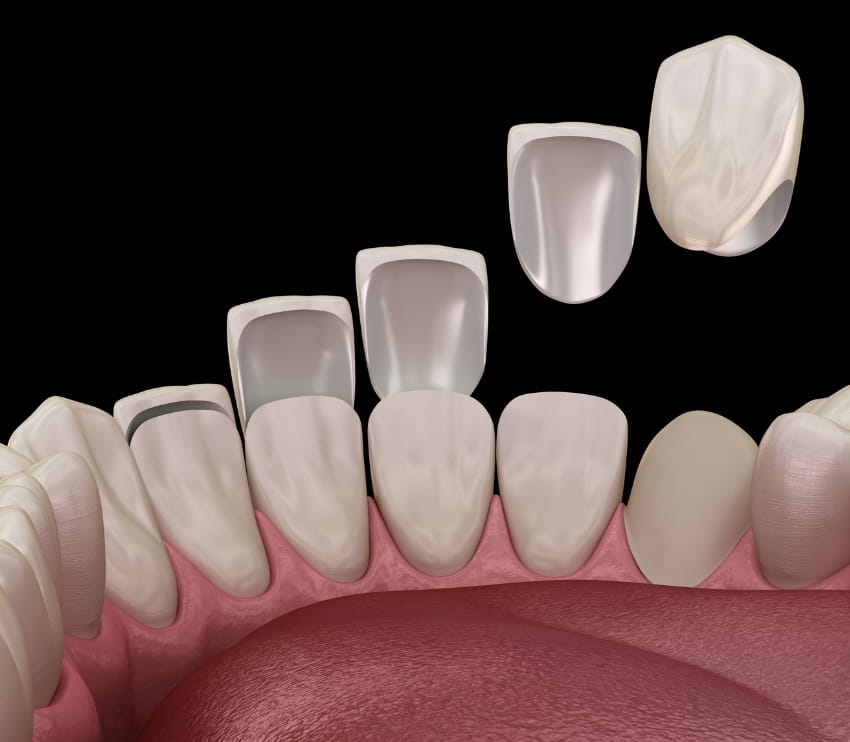
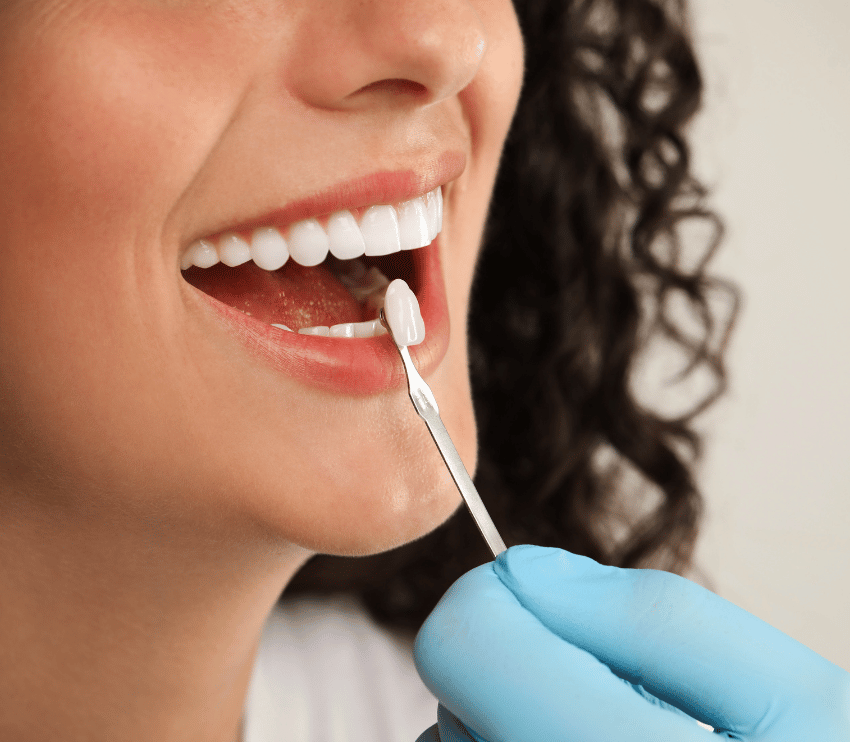
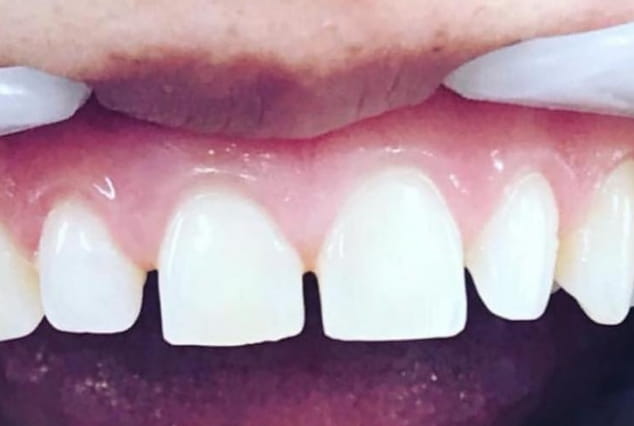
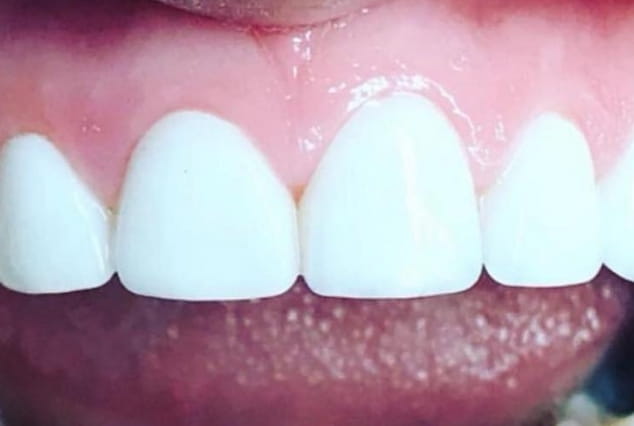
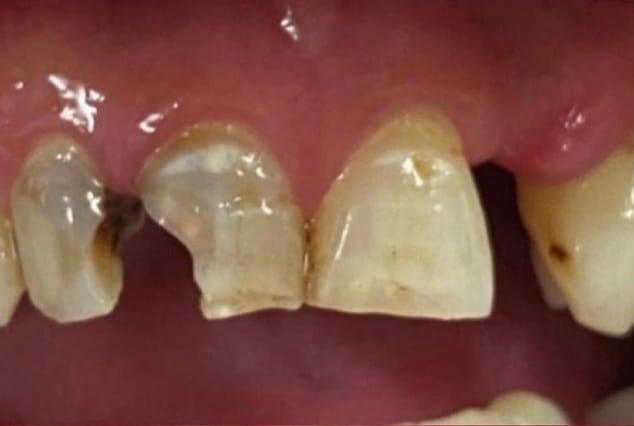
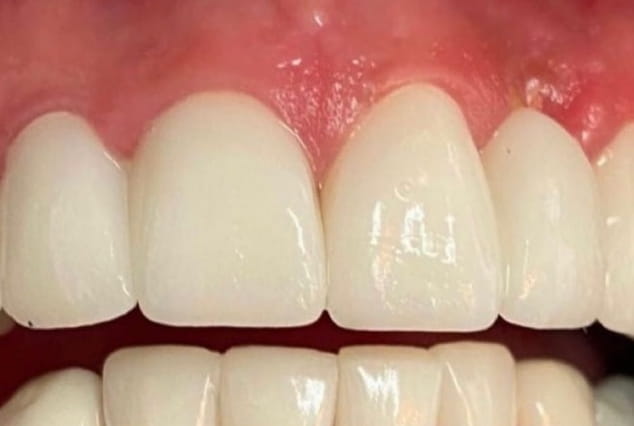
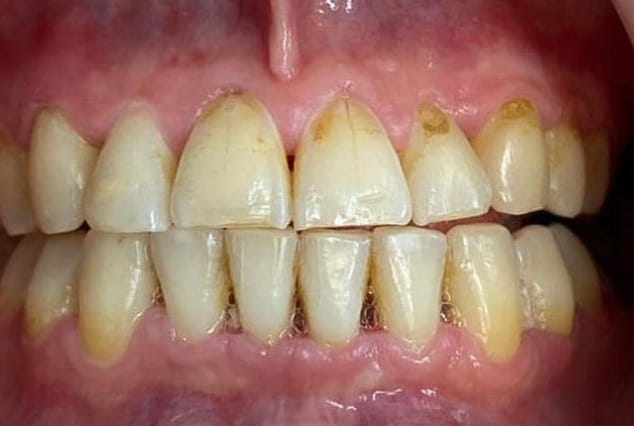
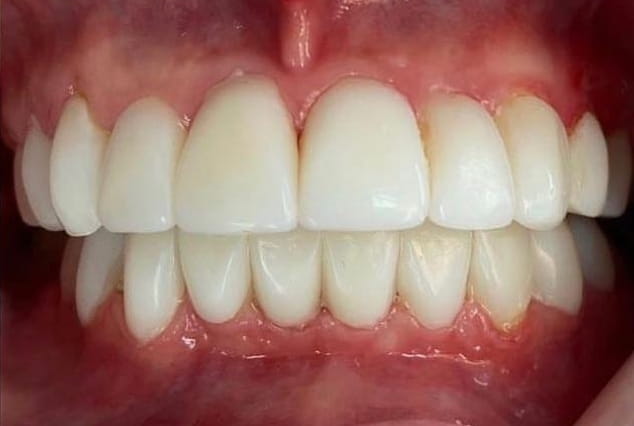
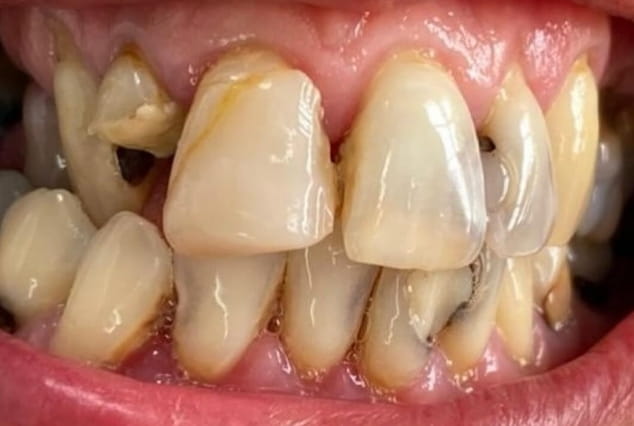
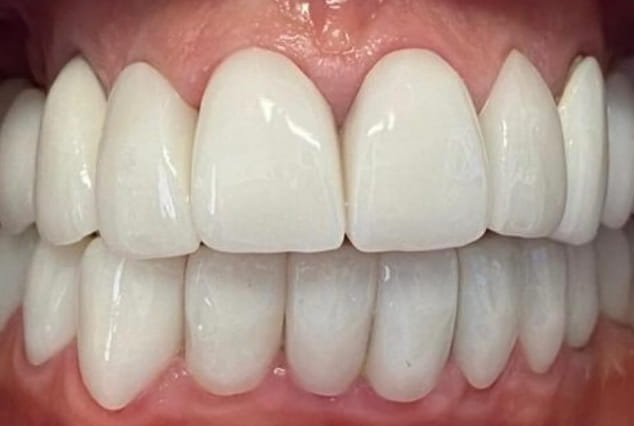
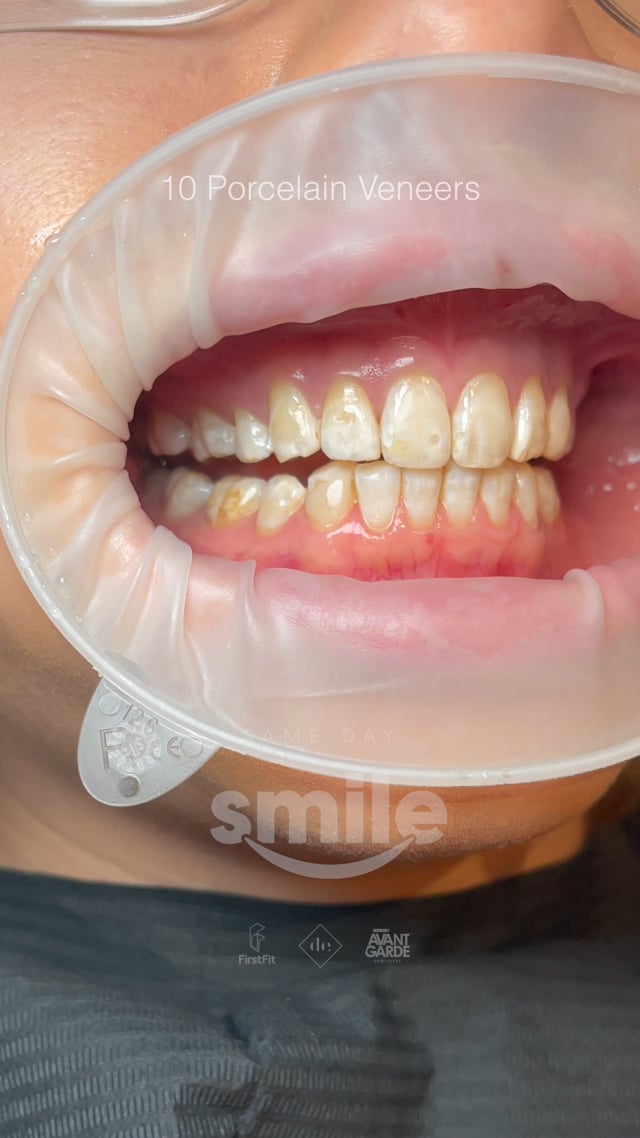
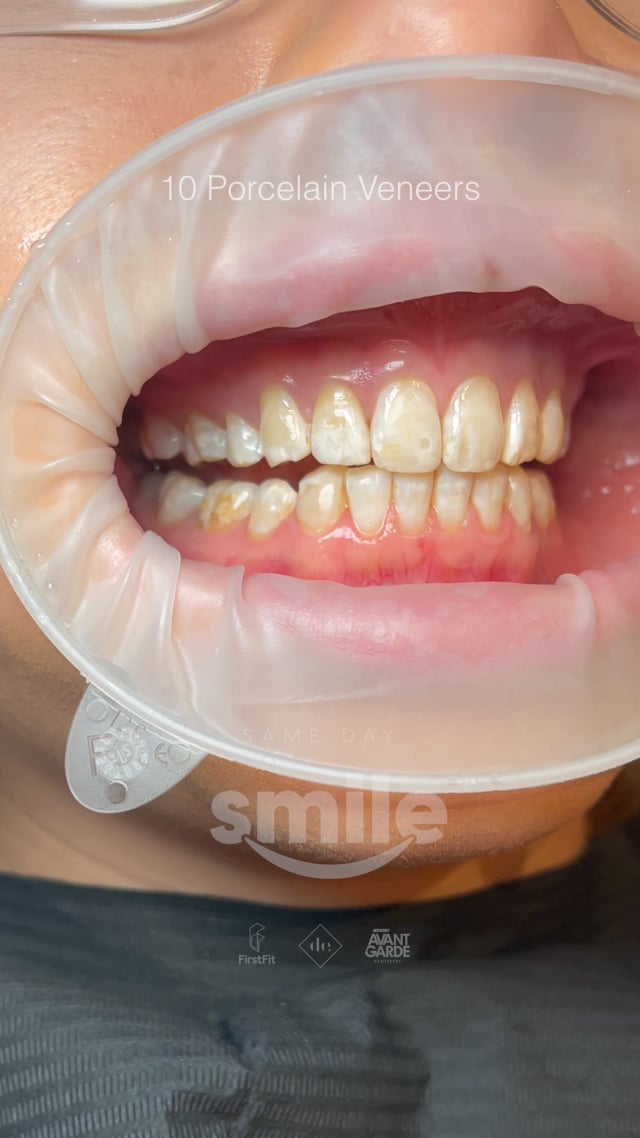
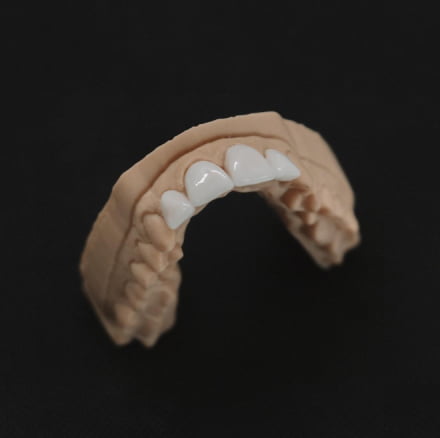
Porcelain veneers are a long-term investment in your smile. With the right care, you can maximise their lifespan and keep them looking their best for many years.
Daily Oral Hygiene
- Brush twice daily using a soft-bristled toothbrush and non-abrasive fluoride toothpaste.
- Floss between veneered teeth daily to prevent plaque at the gum margins.
- Use a fluoride mouthwash to protect the surrounding tooth structure.
- Avoid whitening toothpastes, which can scratch the veneer surface over time.
Dietary Habits
- Moderate consumption of staining foods and drinks (coffee, red wine, tea) is advisable to protect the surrounding tooth structure.
- Avoid biting directly into very hard foods — e.g. hard crusts, ice, boiled sweets — with veneered teeth.
- Do not use your teeth as tools to open packaging or bite nails.
Protecting Against Grinding
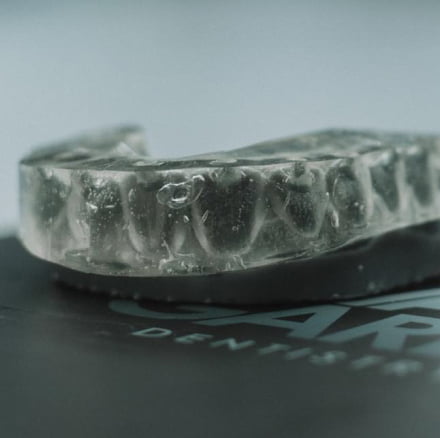
If you have a tendency to grind or clench your teeth (bruxism), your dentist will recommend a custom-made occlusal night guard. Grinding is the most common cause of premature veneer failure, and a night guard is a simple, cost-effective way to protect your investment.
Regular Dental Appointments
- Attend check-ups at Khan Dental every 6 months.
- Book hygienist appointments regularly to maintain gum health and keep veneers clean.
- Inform your hygienist that you have veneers, so they use appropriate instruments.
Long-Term Considerations
Porcelain veneers are permanent — once tooth preparation has taken place, you will always need a veneer on those teeth. They will eventually need replacing (typically after 10–20 years), which is a routine procedure carried out at a standard appointment. Planning ahead and budgeting for eventual replacement is a sensible consideration when choosing this treatment.