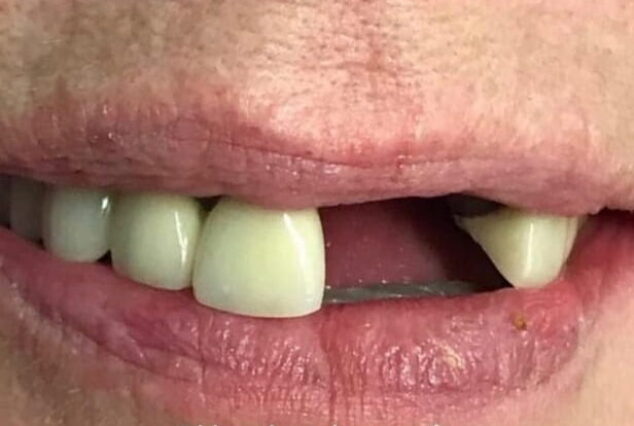
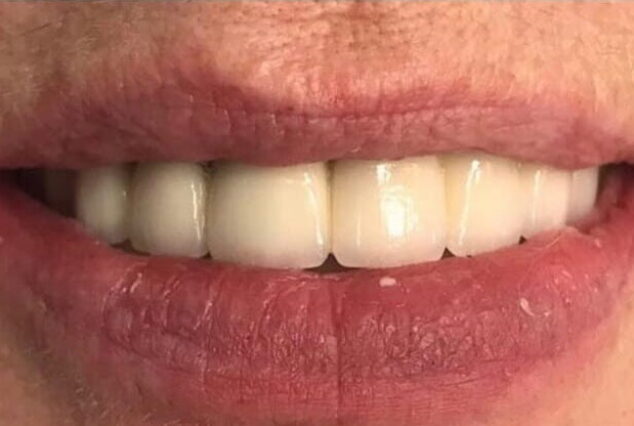
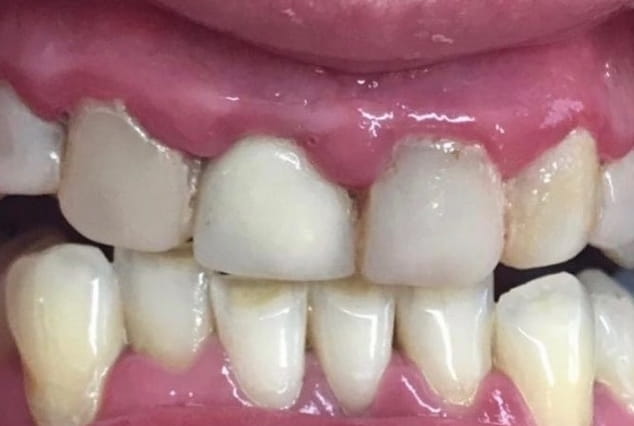
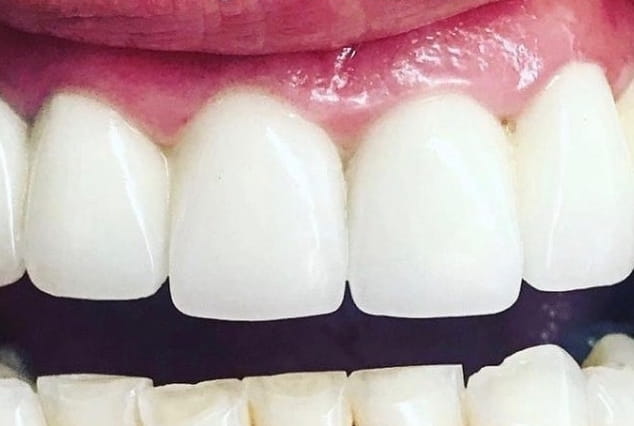
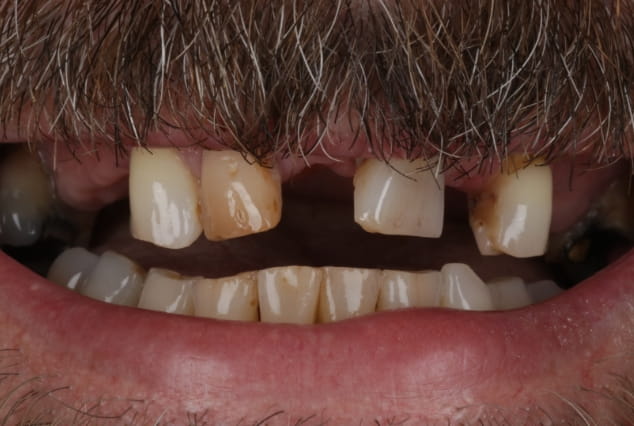
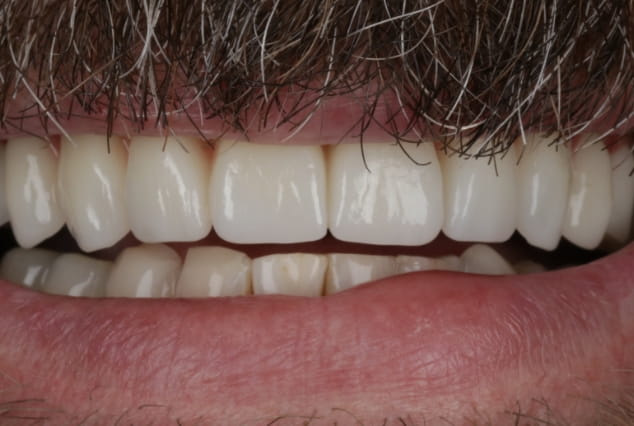
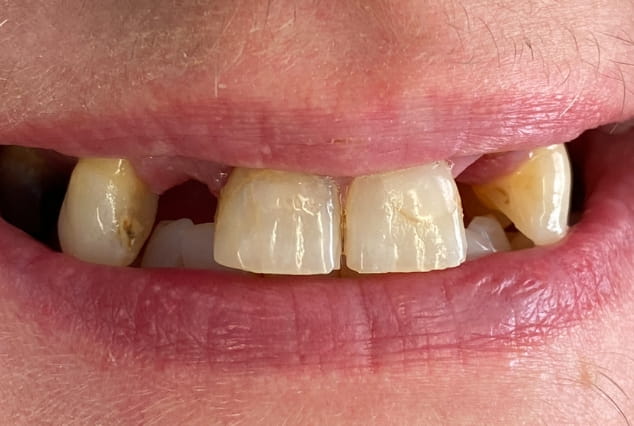
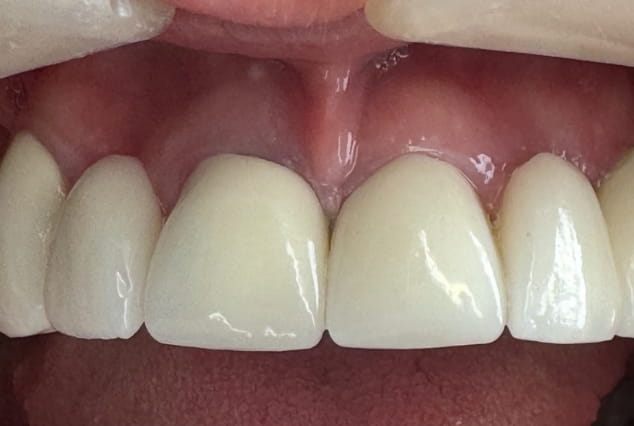
Losing a tooth changes more than your smile. It changes how you eat, how you speak, and — quietly, over time — how you feel about yourself. Left untreated, a gap in your smile sets off a chain of consequences: neighbouring teeth begin to drift, the jawbone beneath the missing root starts to resorb, and the face can gradually alter its shape. Dental implants are the only tooth replacement treatment that addresses all of these issues at their root — literally.
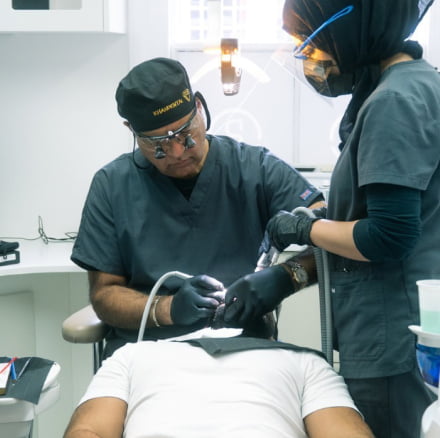
Whether you are missing a single tooth, several teeth, or require a full-arch solution, Dr Khan provides a comprehensive, individually planned implant journey from initial consultation through to final restoration.
Dental implants at Khan Dental are more than a clinical procedure — they are a life-changing restoration of confidence, function, and comfort. Patients describe being able to eat their favourite foods again, laugh without self-consciousness, and finally stop hiding from photographs.
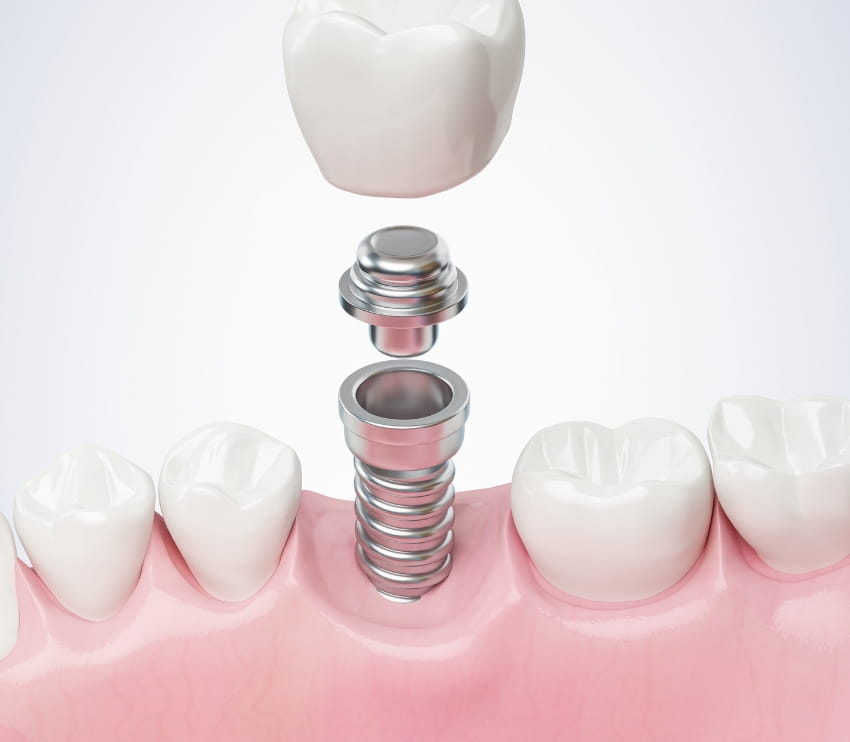
A dental implant is a small, precision-engineered titanium post that is surgically placed into the jawbone to replace the root of a missing tooth. Titanium is used because of its exceptional biocompatibility — the bone naturally fuses with the implant surface through a process called osseointegration, creating a permanent, stable foundation that functions just like a natural tooth root.
Not every patient has sufficient bone volume at the implant site when they first present for treatment. Bone loss occurs naturally following tooth extraction — the longer the gap has been left, the more bone may have resorbed. Conditions such as periodontal disease can also reduce bone density and volume.
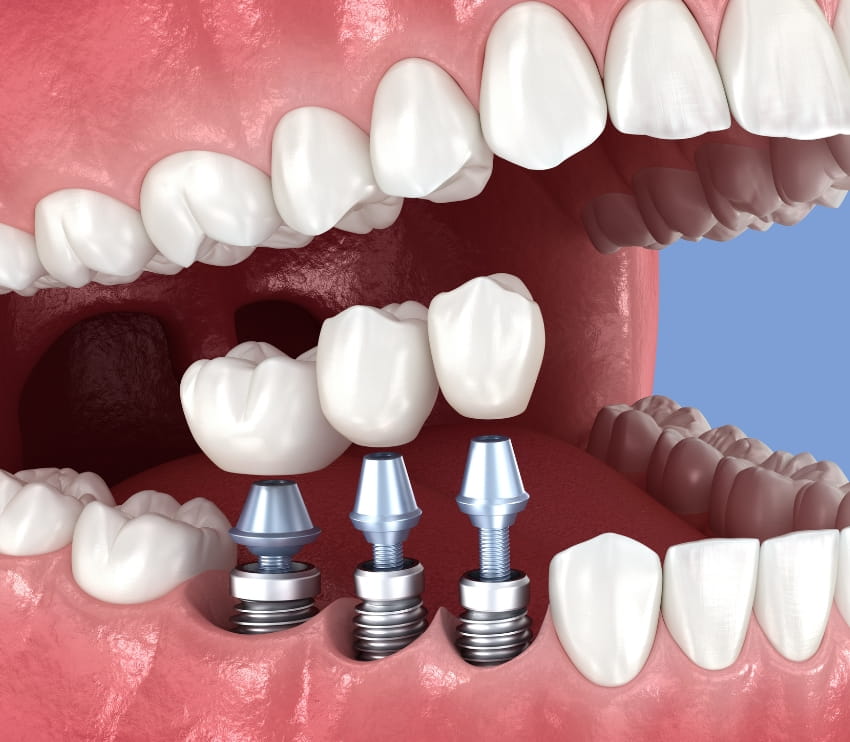
Every natural tooth root continuously stimulates the jawbone around it. When a tooth is lost, that stimulation stops, and the bone in that area begins to resorb, diminishing in height and width over time. Neighbouring teeth and facial structures are affected gradually. A dental implant replicates this stimulation, halting bone loss and preserving the facial contours that define your appearance.
A dental bridge requires the preparation of the adjacent healthy teeth on either side of the gap, permanently reducing them to act as support pillars. A dental implant requires no modification of adjacent teeth whatsoever. It stands entirely on its own, leaving surrounding healthy teeth completely untouched.
Once integrated, a dental implant does not move. There is no risk of slippage, no need for adhesives, no restrictions on what you can eat, and no discomfort from an ill-fitting appliance. Implant patients consistently describe their restored teeth as feeling entirely natural — indistinguishable from the teeth they grew up with.
With correct placement, good oral hygiene, and regular dental maintenance, dental implants can last a lifetime. The implant fixture itself rarely fails once integrated — the crown restoration on top may eventually require replacement after 15–20 years, as with any tooth restoration. This makes implants a genuinely long-term investment in your oral health.
Patients with missing teeth frequently adapt their diet over time — avoiding hard, crunchy, or chewy foods that are difficult to eat. Dental implants restore full biting force, allowing patients to return to eating anything they wish without restriction or concern.
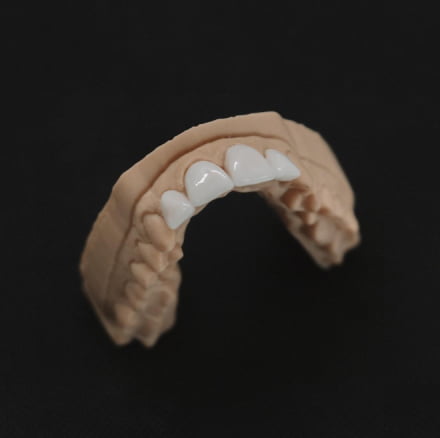
The custom porcelain crown fitted to each implant at Khan Dental is individually designed by Dr Khan to blend seamlessly with your existing teeth in shape, size, and colour. The result is a restoration that your own family would not recognise as artificial.
We’re proud to be a trusted part of our patients’ oral health journeys. Explore their testimonials to see how we’re creating positive dental experiences – one smile at a time.
Mr Khan is a excellent dentist, very experienced. He seen me as an emergency for toothache and provided advice and treatment. All the staff are kind and friendly. I would fully recommend Mr Khan and his team.


Excellent service. Rang up with an infected tooth before I was even a patient. Thankfully I was given a place at the practice and had it extracted within the week. The practice itself is clean and comfortable with relaxing videos and audio playing to help those who might be anxious. Best dentist I’ve been to.
A really professional and welcoming dentist. The team is friendly, the atmosphere is relaxed and they’re great with children – patient, calm and reassuring. Every visit feels well organised and we always feel well looked after. A lovely practice overall.
Excellent, friendly helpful service!! All the staff are great and dr khan is brilliant. So glad to have a good local dentist
So professional start to finish, couldn’t recommend him highly enough. Great service and great advice regarding my treatments!
Dr Khan has been great from Start to finish. He is very professional and knowledgeable. I am very happy with my final result. Thank you Dr khan.
Best thing I have had done getting porcelain crowns.
Best dentist, recommended to friends, easy to talk to.
You are the best dentist. Would 100 per cent recommend.
Amazing experience would highly recommend love my new 😊.
Fantastic and happy with new Smile I will recommend.
Happy with the result and very professional, 10/10 smile 😁.
Dr Khan and his team are excellent. I came with a series of dental matters to be resolved which through Dr Khan’s professional practical and personal approach, all carried out in the most assured, calm, friendly and timely way restored and improved my whole dental wellbeing. I would recommend Dr Khan and his team whole – heartedly at every level.
Was very nervous and embarrassed about my teeth to start with, Dr Khan made me feel at ease, Procedure for new Smile was without pain or problems. Now I have a new Smile and confidence. I will highly recommend.
A lot tricky than I thought it would be to get a new smile with teeth that I am no longer embarrassed by, thank you very much Dr Khan.
See what our patients have to say about their journey with us. Their stories reflect the care, commitment, and personalised attention we strive to deliver every day. We take pride in building lasting relationships and creating positive experiences for every individual who walks through our doors.
View all reviews

At Khan Dental, the implant fixture starts from £2,400, the abutment from £490, and the crown is quoted per case. Additional procedures such as extraction (from £250), surgical extraction (from £380), and guided bone regeneration (from £595) are priced separately where required.
A full-arch implant solution starts from £12,500 per arch, depending on complexity. A fully itemised treatment plan with all costs is provided at your consultation. Flexible finance is available on all implant treatments.
The placement procedure is performed under local anaesthesia, so you will not feel pain during surgery. Most patients are surprised by how manageable the post-surgical discomfort is — typically mild soreness for 2–3 days, well controlled with standard over-the-counter pain relief such as ibuprofen or paracetamol.
Significant or prolonged pain after implant surgery is uncommon and should be reported to the practice promptly.
Dental implants are designed to be a permanent, lifelong solution. The titanium implant fixture, once successfully osseointegrated, can last a lifetime with proper care. The porcelain crown on top may eventually require replacement after 15–20 years, as can any fixed restoration.
Patients who maintain excellent oral hygiene and attend regular check-ups and hygiene appointments achieve the best long-term outcomes.
Not necessarily. Many patients have sufficient bone volume for immediate implant placement. However, if a tooth has been missing for a long time, or if bone loss has occurred due to periodontal disease or other reasons, guided bone regeneration (GBR) may be required to create a sufficient foundation.
We assess bone volume precisely using imaging at your consultation and will advise whether GBR is needed in your case. GBR is available at Khan Dental from £595.
Back to Treatments
Schedule a consultation to begin your smile transformation. Our team will assess your needs and create a personalised plan just for you.
Call Us 0151 724 1888
Book a Consultation